Masonry Waterproofing in Ames, IA | 10+ Years Experience
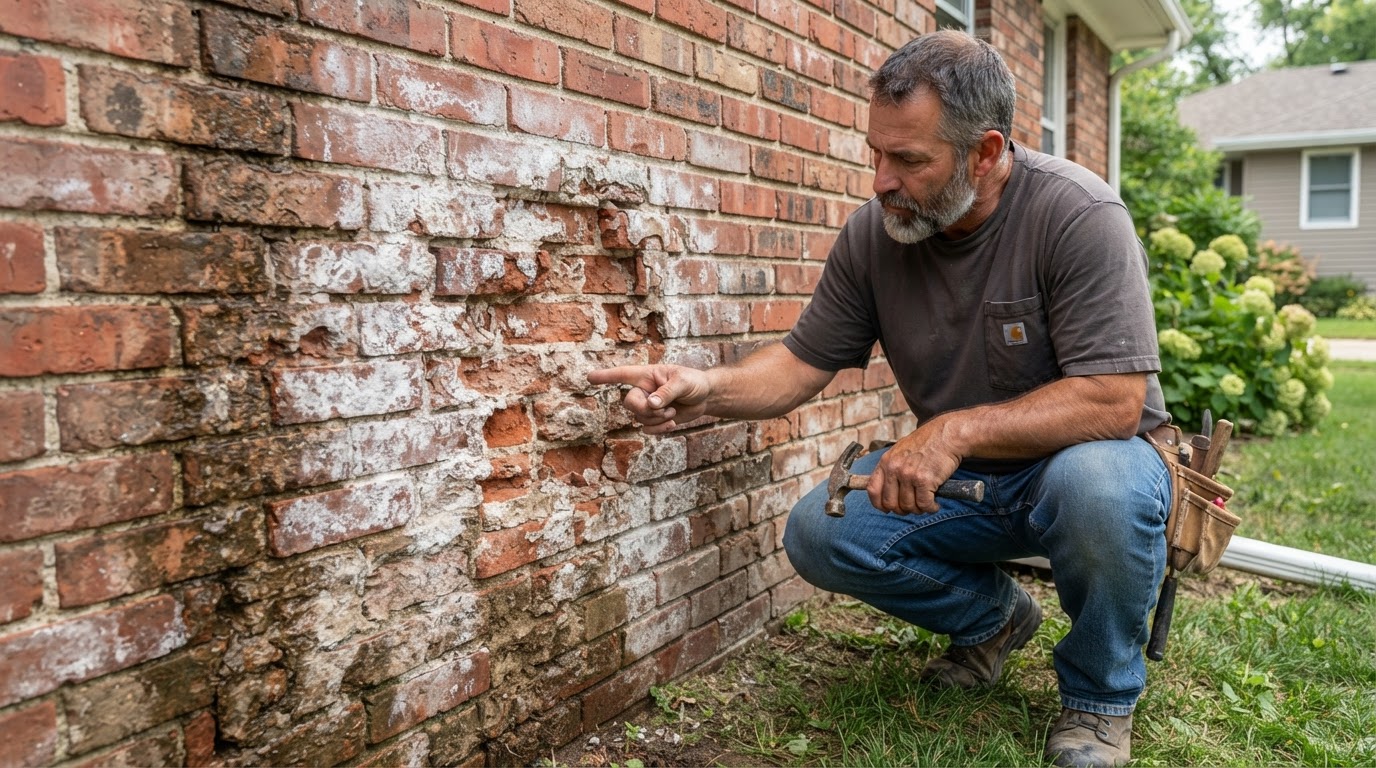
Ames Masonry Pro addresses masonry water intrusion for residential and commercial properties across Ames, Nevada, Huxley, and Story City. Water entry through failed mortar joints, cracks, failed sealant, deteriorated crowns or caps, and flashing or drainage problems drives much of the brick and stone deterioration in Central Iowa — and freeze-thaw cycles make trapped or recurring moisture especially damaging. Waterproofing here means finding the water-entry paths and correcting them, not blanketing every wall in coating.
With 10+ years of hands-on masonry experience and insured service, every waterproofing project identifies likely water-entry paths, repairs failed masonry or joints first, addresses sealant and transition details where within scope, and applies a compatible breathable water-repellent treatment only where suitable. Breathability and material compatibility matter — a non-breathable coating can trap moisture inside the wall and cause worse damage than it prevents. No hazardous chemical mixing or application instructions are provided, and waterproofing is never treated as a substitute for failed flashing, open joints, cracks, or structural defects.
Request an Estimate
Tell us about your project. We respond to estimate requests for Ames, Nevada, Huxley, Story City, Iowa.
Why Choose Ames Masonry Pro for Masonry Waterproofing in Ames?
10+ Years of Masonry Experience
More than a decade of masonry work means water-entry paths are read correctly — whether moisture is entering through joints, cracks, sealant, crowns, or flashing. That experience ensures the waterproofing addresses the actual source rather than applying coating to a wall that needs structural repair first.
Insured Service
Ames Masonry Pro is insured, giving property owners protection while masonry waterproofing work is underway on their home or commercial building. Insurance is part of doing the job responsibly across water-management scopes.
Cause-First Evaluation
Before any treatment is considered, the likely water-entry paths are identified — failed joints, cracks, sealant, crowns, or flashing. Different sources call for different corrections, and a correct diagnosis is what stops the moisture rather than masking it with coating.
No Indiscriminate Coatings
Not every masonry wall should be sealed, and waterproofing is never a substitute for failed flashing, open joints, or structural defects. Treatment is applied only where suitable, and the failed masonry or joints are repaired first, so the coating is not trapping moisture behind a damaged surface.
Joint, Sealant, and Flashing Awareness
Water management is about the whole wall — joints, sealant transitions, flashing, crowns, and drainage — not just a surface treatment. Awareness of these details means the waterproofing addresses the interconnected paths that let water in, rather than focusing on one and missing another.
Compatible Treatment Selection and Transparent Scope
Where a water-repellent treatment is appropriate, a breathable product compatible with the masonry substrate is selected, and the scope is explained clearly — what will be repaired, what will be treated, and why. Property owners get honest context about what waterproofing can and cannot do.
Our Masonry Water-Management Services
Masonry Joint and Crack Evaluation
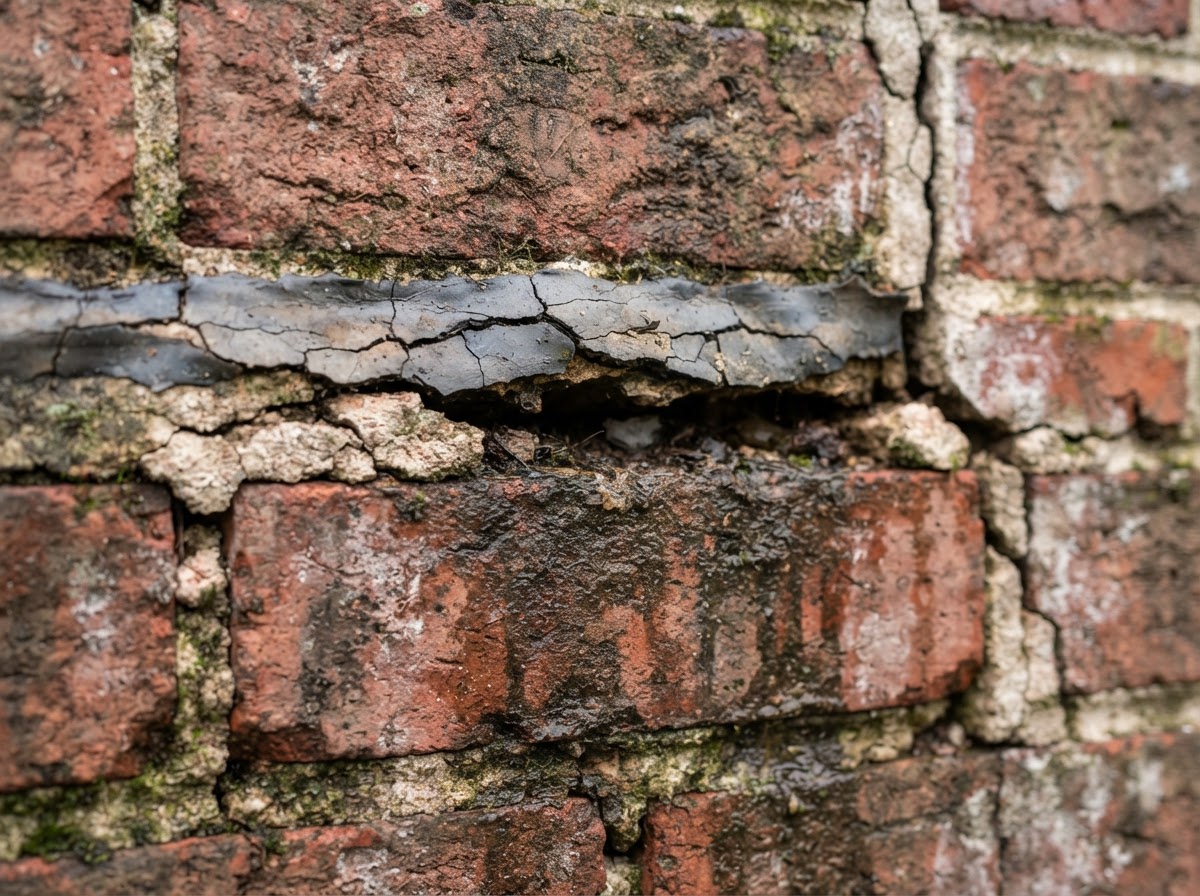
Masonry joint and crack evaluation identifies the mortar joints and cracks that are admitting water into Ames brick and stone walls. It suits properties with moisture symptoms where the water-entry paths need to be found before any repair or treatment is defined.
The joints, cracks, sealant transitions, and flashing details are inspected to determine where moisture is entering, and the findings are documented so the repair and treatment scope targets the actual sources rather than guessing.
Owners get a clear understanding of where water is entering the masonry and what needs to be corrected, so the waterproofing addresses the real paths rather than applying coating blindly.
Breathable Water-Repellent Treatment Where Appropriate
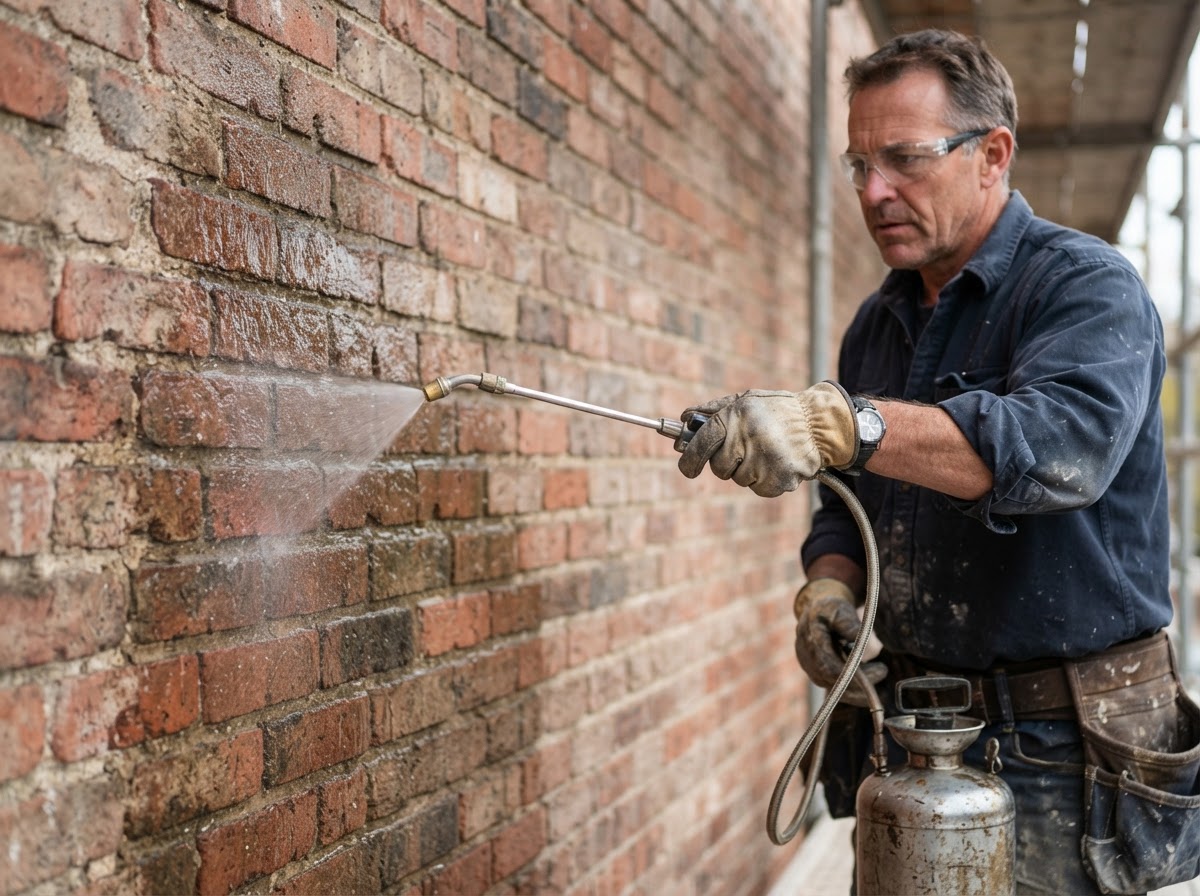
Breathable water-repellent treatment is applied to Ames masonry where a compatible treatment is suitable for the substrate and the wall has been repaired first. It suits porous brick and stone that would benefit from reduced absorption, after failed joints and cracks have been corrected.
A breathable silane or siloxane-type repellent compatible with the masonry is selected, the surface is prepared, and the treatment is applied so it sheds water while allowing vapor transmission — preventing the trapping of moisture that a non-breathable coating would cause.
Owners get reduced water absorption on porous masonry, with the wall still able to breathe, so moisture does not build up behind the treatment and cause the damage that indiscriminate sealing can cause.
Sealant and Transition Repairs
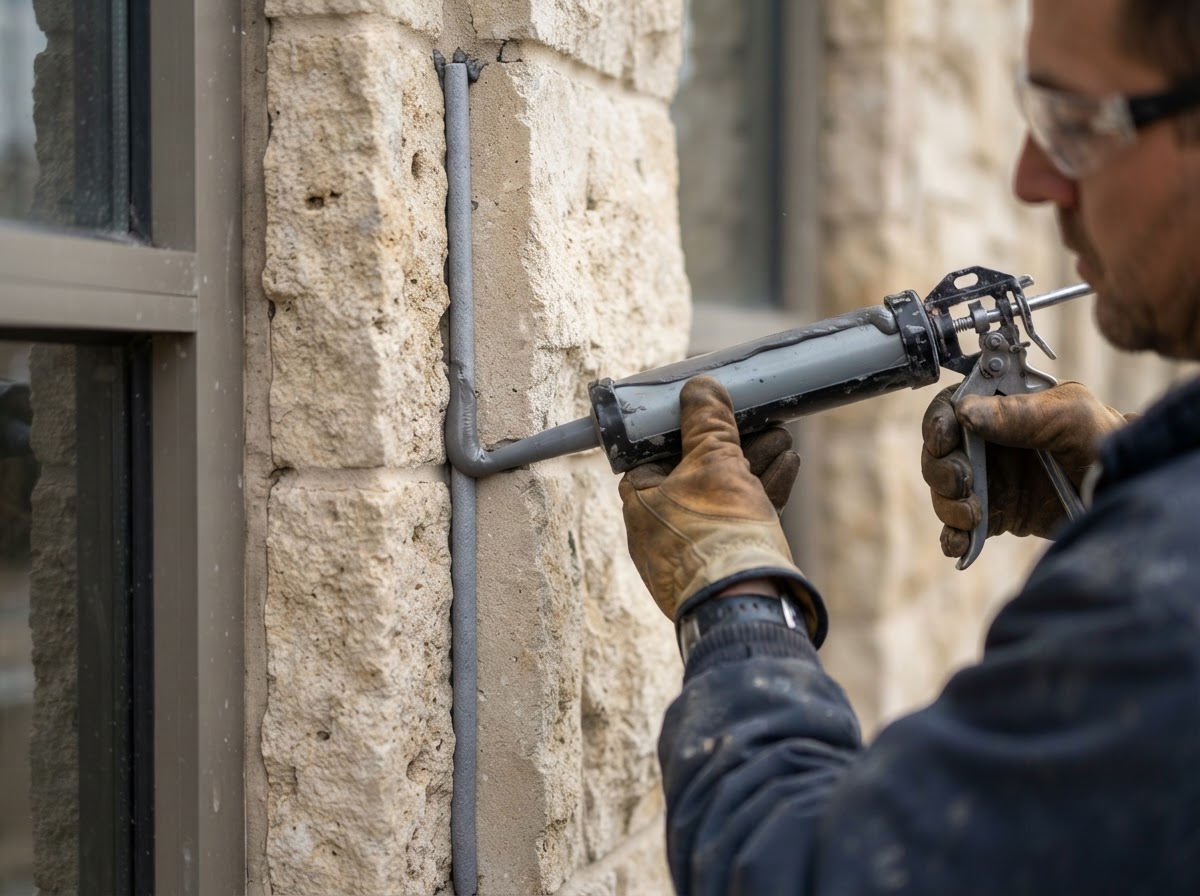
Sealant and transition repairs correct the failed sealant at material transitions where masonry meets windows, doors, metal, or other materials on Ames properties. It suits walls where water is entering through debonded or cracked sealant at transitions rather than through the masonry itself.
Failed sealant is removed, the joint surfaces are prepared, and compatible elastomeric sealant is installed with backer rod where appropriate, so the transition sheds water and accommodates movement without debonding.
Owners get weathertight transitions that stop water entry at the joints between materials, addressing a common water-entry path that surface coating cannot fix.
Moisture-Related Masonry Repair Coordination
Moisture-related masonry repair coordination addresses the masonry damage caused by water entry — spalled brick, deteriorated mortar, efflorescence — alongside the water-management work. It suits walls where the moisture source has already damaged the masonry and both need to be addressed.
The damaged masonry is repaired or replaced, failed joints are repointed, and the water-entry paths are corrected, so the repair and the waterproofing are coordinated in one scope rather than treated as separate problems.
Owners get both the damage and the cause addressed together, so the repaired masonry is protected from the water entry that caused the deterioration in the first place.
What Causes Water to Enter Masonry?
Open or Deteriorated Mortar Joints
Mortar joints that have eroded, cracked, or receded no longer keep water out of the wall, and moisture enters through the gaps. Open joints are a primary water-entry path, and they must be repointed before any treatment, or water continues to enter behind the surface.
Failed Sealant at Material Transitions
Sealant at transitions — where masonry meets windows, doors, metal, or other materials — fails from age, movement, or poor adhesion, and water enters through the gaps. Failed sealant is a common water-entry path that surface coating cannot address, because the gap is at the transition, not the masonry face.
Cracked Crowns, Caps, or Exposed Horizontal Surfaces
Cracked chimney crowns, wall caps, and other exposed horizontal masonry surfaces allow water to enter from above, where gravity drives it into the wall. These surfaces shed water when sound, but cracks let moisture penetrate deeply, which is why crown and cap repair is part of water management.
Flashing, Drainage, or Exterior Water-Shedding Problems
Failed or missing flashing, poor drainage, and exterior water-shedding problems direct water into the masonry rather than away from it. These are structural water-management failures that no coating can fix, and they must be corrected or the water entry will continue regardless of treatment.
What Are the Signs Masonry Has a Moisture Problem?
Efflorescence
White, powdery deposits on the masonry surface — efflorescence — are mineral salts left behind as water moves through the wall and evaporates. Efflorescence is a clear sign that moisture is entering and traveling through the masonry, and the water source needs to be found.
Recurring Dampness or Staining
Dampness or staining that returns after drying or cleaning indicates an ongoing moisture source. Recurring dampness means water is still entering the wall, and the source must be identified and corrected rather than just cleaning the visible symptom.
Spalling After Freeze-Thaw Exposure
Brick or stone faces that spall after winter indicate moisture absorbed into the masonry froze and expanded. Spalling after freeze-thaw exposure is a sign that water is entering and saturating the masonry, and the water-entry path needs to be corrected before more units fail.
Open Joints or Failed Sealant
Open mortar joints or cracked, debonded sealant at transitions are visible water-entry paths. When joints are recessed or sealant is pulling away, water is entering through those gaps, and they should be repaired before any surface treatment is considered.
How Does Masonry Waterproofing Work?
Step 1: Identify Likely Water-Entry Paths
The masonry is inspected to identify where water is entering — failed joints, cracks, sealant transitions, crowns, caps, or flashing. This evaluation is the foundation of the scope, because waterproofing must address the actual sources rather than apply coating blindly to a wall.
Step 2: Repair Failed Masonry or Joints First
Failed mortar joints are repointed, cracks are repaired, and damaged masonry is corrected before any treatment is applied. Repairing the masonry first ensures the treatment is not trapping moisture behind damaged surfaces, which is the sequence that makes waterproofing effective.
Step 3: Address Sealant/Transition Details Where Within Scope
Failed sealant at transitions is replaced, and the flashing or drainage details that let water reach the masonry are inspected and corrected where within scope. These details are part of the water-management system, and addressing them ensures water is not entering through paths that coating cannot fix.
Step 4: Prepare Masonry Surface
Where a water-repellent treatment is appropriate, the masonry surface is cleaned and prepared so the treatment adheres and performs correctly. Surface preparation is specific to the substrate and the product, and it is done before any treatment is applied.
Step 5: Apply Compatible Treatment Only Where Suitable
A breathable water-repellent compatible with the masonry substrate is applied only where suitable — not to every wall. The treatment sheds water while allowing vapor transmission, so moisture does not build up behind the surface, and walls that do not need treatment are left alone.
How Much Does Masonry Waterproofing Cost in Ames?
Masonry waterproofing is priced by area, preparation, and repair scope, because the cost depends on how much masonry needs repair before treatment and how much surface is treated. The locked tuckpointing benchmark applies if repointing is needed first. An estimate gives a number tied to your specific wall.
Waterproofing Pricing Basis
Water-repellent treatment: priced by square footage and preparation
Cost depends on square footage, cleaning and surface preparation, access, application method, and the number of elevations. Walls requiring significant repair before treatment add that repair scope to the total.
Repair scope before treatment
Failed joints, sealant replacement, and crack repair needed before treatment are priced as repair scope. If tuckpointing is needed first, that portion runs about $7.86–$11.24 per square foot as a planning benchmark, separate from the treatment cost.
Cost Drivers
Repair scope and water-source investigation
The extent of masonry repair needed before treatment, sealant replacement, crack repair, and the investigation to find the water source all move the total. Walls with extensive deterioration cost more because the repair must be done before treatment.
Area, access, and application
Square footage, wall porosity and material, access and height, application method, and the number of elevations treated all affect the treatment cost. An on-site estimate is needed for exact pricing tied to your wall.
Masonry waterproofing itself typically does not require a permit, but if the work is part of a structural repair, permit requirements may apply. Verify project-specific requirements with the City of Ames where relevant.
Get Your Estimate
Tell us about your project. We respond to estimate requests for Ames, Nevada, Huxley, Story City, Iowa.
Frequently Asked Questions About Masonry Waterproofing
Does masonry waterproofing stop every leak?
No, masonry waterproofing does not stop every leak, because leaks often come from failed flashing, drainage problems, or structural defects that no surface treatment can fix. Waterproofing addresses water entry through the masonry surface and joints, but the water source must be correctly identified, or the treatment will not stop the leak.
Should all brick be sealed?
No, not all brick should be sealed. Some brick is better left untreated, and sealing is appropriate only where a compatible, breathable treatment suits the substrate and the wall has been repaired first. Indiscriminate sealing can trap moisture and cause damage, which is why treatment is selective.
What is a breathable masonry water repellent?
A breathable masonry water repellent is a treatment that sheds liquid water from the surface while allowing water vapor to pass through, so moisture does not build up inside the wall. Breathability is what distinguishes a proper repellent from a non-breathable coating that traps moisture and causes damage.
Can failed mortar joints cause water intrusion?
Yes, failed mortar joints are a primary cause of water intrusion, because eroded, cracked, or recessed joints no longer keep water out of the wall. Failed joints must be repointed before any surface treatment, or water continues to enter behind the surface and the treatment traps it there.
What does efflorescence mean?
Efflorescence — the white, powdery deposits on masonry surfaces — means moisture is moving through the wall and evaporating, leaving mineral salts behind. It is a sign that water is entering and traveling through the masonry, and the water source needs to be found and corrected.
How does freeze-thaw weather affect wet masonry?
When moisture absorbed into masonry freezes, it expands and breaks the masonry apart — causing spalling, cracking, and deterioration. Central Iowa freeze-thaw cycles make wet masonry especially vulnerable, which is why correcting water entry before winter is important to prevent freeze-thaw damage.
How much does masonry waterproofing cost in Ames?
Masonry waterproofing cost depends on square footage, surface preparation, access, the repair scope needed before treatment, sealant replacement, and crack repair. If tuckpointing is needed first, that portion runs about $7.86–$11.24 per square foot. An on-site estimate is needed for exact pricing tied to your wall.
Should damaged masonry be repaired before applying a water repellent?
Yes, damaged masonry should always be repaired before applying a water repellent, so the treatment is not trapping moisture behind failed joints or cracks. Repairing the masonry first ensures the treatment performs correctly and does not seal water inside the wall where it would cause further damage.
Request Masonry Waterproofing in Ames
Call Ames Masonry Pro at 515-715-4950 for masonry waterproofing in Ames, Nevada, Huxley, and Story City. 10+ years of masonry experience and insured service, with cause-first evaluation and compatible breathable treatments.
Masonry Repair • Tuckpointing • Masonry Caulking & Sealant • Masonry Restoration • Masonry Cleaning • FAQs
Request an Estimate
Tell us about your project. We respond to estimate requests for Ames, Nevada, Huxley, Story City, Iowa.